
Reasons Behind Businesses Allocating Resources to Human-focused Workspace Solutions
The way offices are designed has evolved significantly over the years. A major change is the adoption of a human-centred design philosophy. Instead of focusing on how many desks can fit in a room, companies are paying more attention to creating a workspace where people can focus easily and genuinely feel comfortable while they work. Even a small change like providing a quiet area can improve the overall environment and make the workspace more comfortable and pleasant.
Before this human-centric shift, offices pretty much all looked the same. Harsh lights, long rows of identical desks, and that typical one-size-fits-all layout. It was the kind of old-school setup everyone simply put up with, even though it wasn’t exactly the most comfortable. But now, companies are moving toward flexible layouts that actually fit different work styles and comfort levels. The goal is to design spaces that adapt to people’s needs, instead of forcing people to adapt to the space. Whether it’s a quiet corner to focus, a cosy spot to unwind, or a collaborative zone for teamwork, offices now offer different spaces for different needs.
A well-designed office not only means having good furniture or layout. It’s about making employees feel cared for. Even something as simple as giving employees lockers for personal items can make a surprisingly big difference. It shows that the workplace respects their space, their belongings and their comfort.
And when people feel looked after in these small but meaningful ways, they naturally feel more connected to the place they work.
This also helps to build a stronger, more connected company culture. When employees feel supported by their workspace, their day instantly becomes easier, and they naturally feel more connected to where they work. Over time, this leads to better teamwork, more open conversations and a friendlier overall environment. Instead of an office or workplace, it becomes a community.
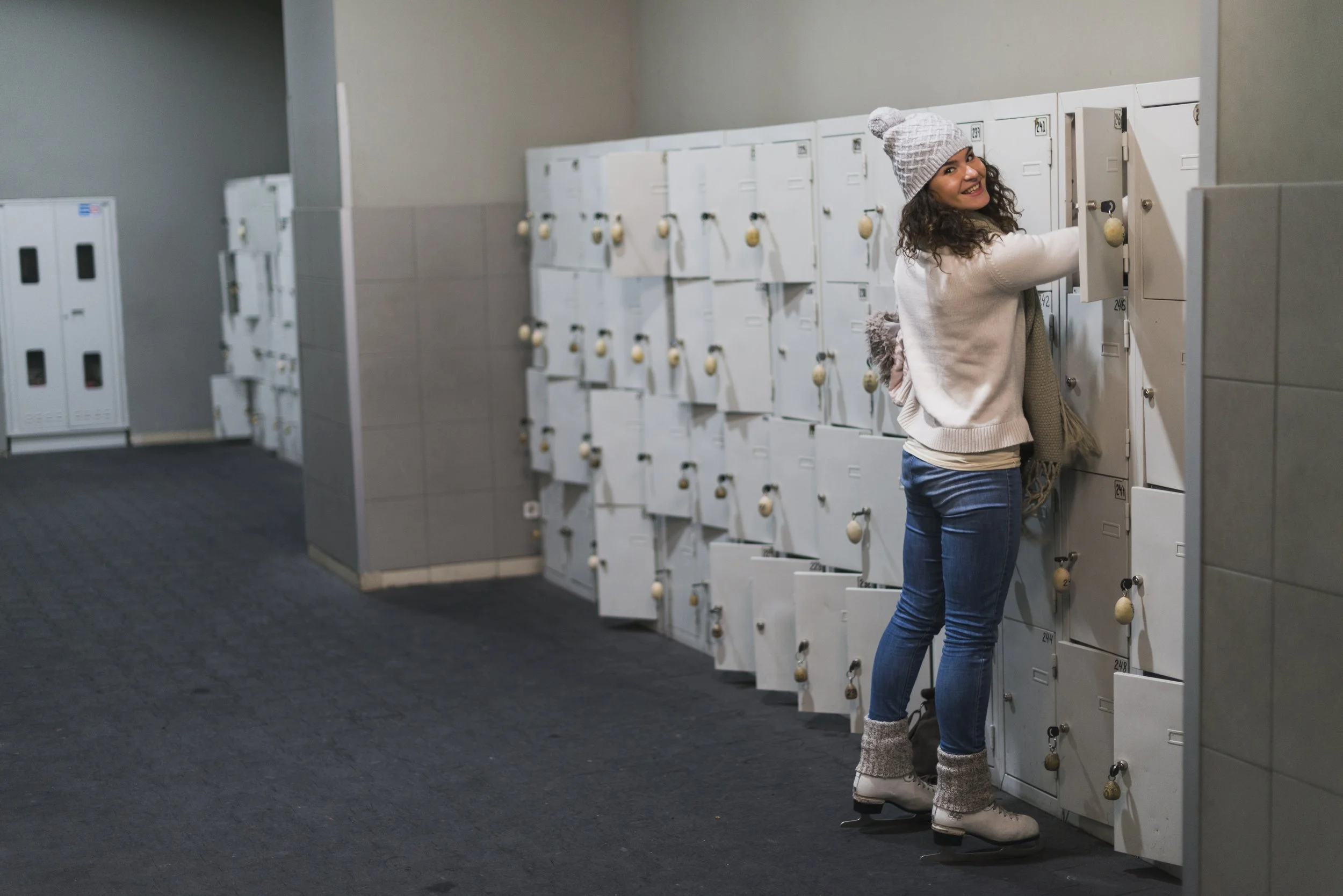
Employees are looking for something beyond a workspace
Today, employees are not just looking for the desk and computer in their workspace but also the space where they can feel comfortable, respected and supported. This has led many organisations to redesign their workplaces with employees’ comfort and well-being at the centre. With only long hours, deadlines and packed calendars, already creating enough pressure, the workplace itself should not add to it. And small and thoughtful details like providing an employee locker or adding an office locker storage, which adds touches that make employees feel a sense of personal space and show that the company genuinely cares about their comfort and their belongings.
The Shift From “Have to Be Here” to “Want to Be Here”
After getting used to working from home for so long, it's hard to adjust back to an office that feels outdated. Picking our own chairs, our own lighting, our own little routines, it’s hard to walk into a boring office and pretend it feels normal. No one wants to go from a comfortable home setup to a place that feels cold or outdated. So companies are realising they need to match that comfort, or at least come close. When an office is comfortable, flexible and not exhausting to be in, the whole workday feels lighter. And honestly, that alone makes a far bigger difference than most companies ever realised.
Companies have realised that if they want people to the workplace willingly, not because they are required to. The office needs to actually feel good to be in. It has to feel welcoming, comfortable and worth the commute. Human-centric design turns the office into a place employees want to show up to, not just a place where they swipe their ID card. This shift from “you must be here” to “you’ll enjoy being here” is one of the biggest drivers behind the rise of human-centric workspace solutions.
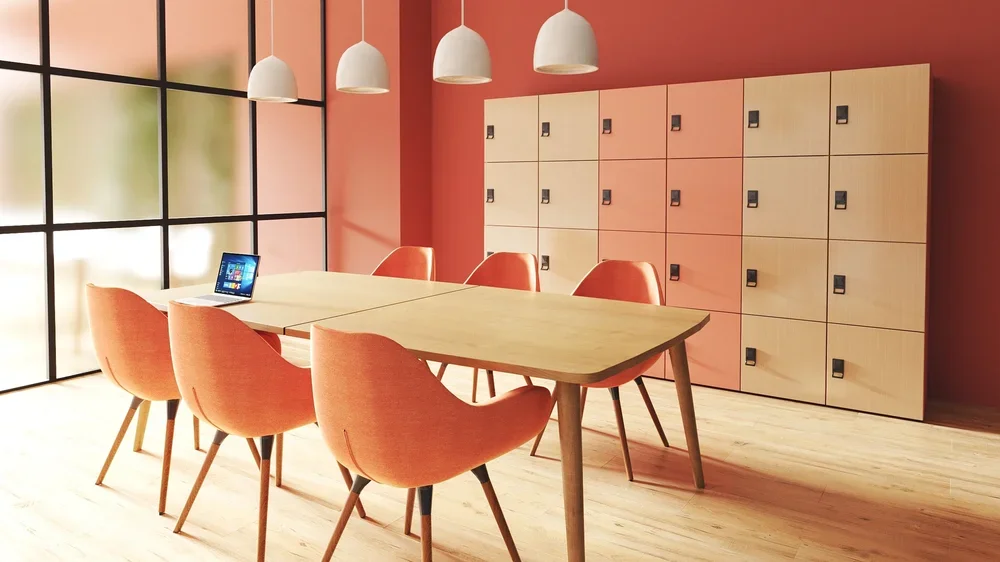
Little Details That Matter
Often, it’s the smallest features that end up improving the day the most. A comfy little corner to take a break, even modern lockers, where employees can safely keep their belongings. These may be small adjustments, but they add meaningful comfort to an employee’s day. These little touches show people that their space matters and that their needs aren’t being overlooked. And when people feel noticed and cared for in these small ways, the office stops feeling like just a place to clock in. It starts to feel like somewhere they actually belong.
A human-centric approach is about one simple thing: making people feel good where they are working. When companies start to create spaces that support comfort and a sense of belonging, the rest just start to feel easier. Even small touches like providing employee lockers can make them feel that their personal space and comfort truly matter. And that’s really why companies are moving in this direction, because when people feel supported at work, everything shifts. The office feels warmer, the workload feels lighter, and the whole experience just becomes better. People arrive calmer, more open, and more ready to collaborate. Ultimately, a human-centric workspace isn’t about decor; it’s about building a place where people genuinely like to spend their time.
FAQ’s
Ques.1. What does human-centric workspace design mean?
Ans: It’s about building offices that actually work for people. This could be anything from the furniture, natural lights, flexible layouts and social spaces where teams can collaborate easily.
Ques.2. Is a human-centric approach cost-effective for companies?
Ans: The upfront cost can be a bit higher, but companies usually make that money back over time. A well-designed workplace will reduce sick days and keep employees happier and more likely to stay, and it tends to pay off.
Ques.3. Can human-centric designs support hybrid and flexible working?
Ans: Yes. Human-centric workspaces are often built with flexibility in mind, offering different types of areas for focused tasks, remote collaborations, and ensuring smooth workflows.